Goal setting
WOOP: the science-backed way to turn wishes into plans
5 min read · Updated

KEY TAKEAWAYS
- WOOP stands for Wish, Outcome, Obstacle, Plan, and takes about five minutes.
- Only dreaming about a happy result can lower effort; naming the obstacle helps you act (Oettingen).
- If-then plans clearly raise the chance of reaching a goal, across 94 studies (Gollwitzer and Sheeran).
- Pick an obstacle inside you, not outside, so you can plan for it.
You know exactly what you want. You've wanted it for months. And every week, something gets in the way.
WOOP is a five-minute method from psychology research that plans for that "something". It's simple enough to do on the back of a receipt, and it's one of the best-tested goal methods there is.
Decide now what you'll do on the bad day, and the bad day stops being the end.
What does WOOP stand for?
- Wish: what you want. Hard, but possible.
- Outcome: the best thing about reaching it. Picture it for a moment.
- Obstacle: what inside you is most likely to stop you.
- Plan: one sentence. If (obstacle), then I will (action).
Wish and Outcome are the dream. Obstacle and Plan are where it gets real.
Who came up with WOOP?
Psychologist Gabriele Oettingen, a professor at New York University. She built WOOP on two lines of research.
The first is her own work on mental contrasting: picture the result you want, then picture what stands in the way. In her studies, people who did both put more effort into goals they could reach than people who only dreamed, or only worried.
The second is if-then plans, studied by Peter Gollwitzer. A review of 94 studies by Gollwitzer and Paschal Sheeran found that people who decided in advance when, where and how to act reached their goals clearly more often than people with good intentions alone.
WOOP puts the two together.
Everything in sight. On one board.
Tasks, notes, photos and plans as cards on one calm board. No charge today. Cancel anytime.
Start 7 days freeOr see all templates →Why isn't positive thinking enough?
Because a nice daydream can feel like you're already there.
In one study, Oettingen and Doris Mayer followed students looking for their first job. Those who fantasised most positively about it sent fewer applications and got fewer offers. The happy picture relaxed them. More in The Secret, without the magic.
Dreaming gives you the direction. Naming the obstacle gives you the next move.
Does WOOP work for real people?
It has been tested with students, patients and working adults.
One example: Angela Duckworth, Oettingen and colleagues taught the method to school children. Children who used it did more of their practice work than a comparison group.
It's not magic. It's a better plan.
How do I find the right obstacle?
This is the step most people get wrong.
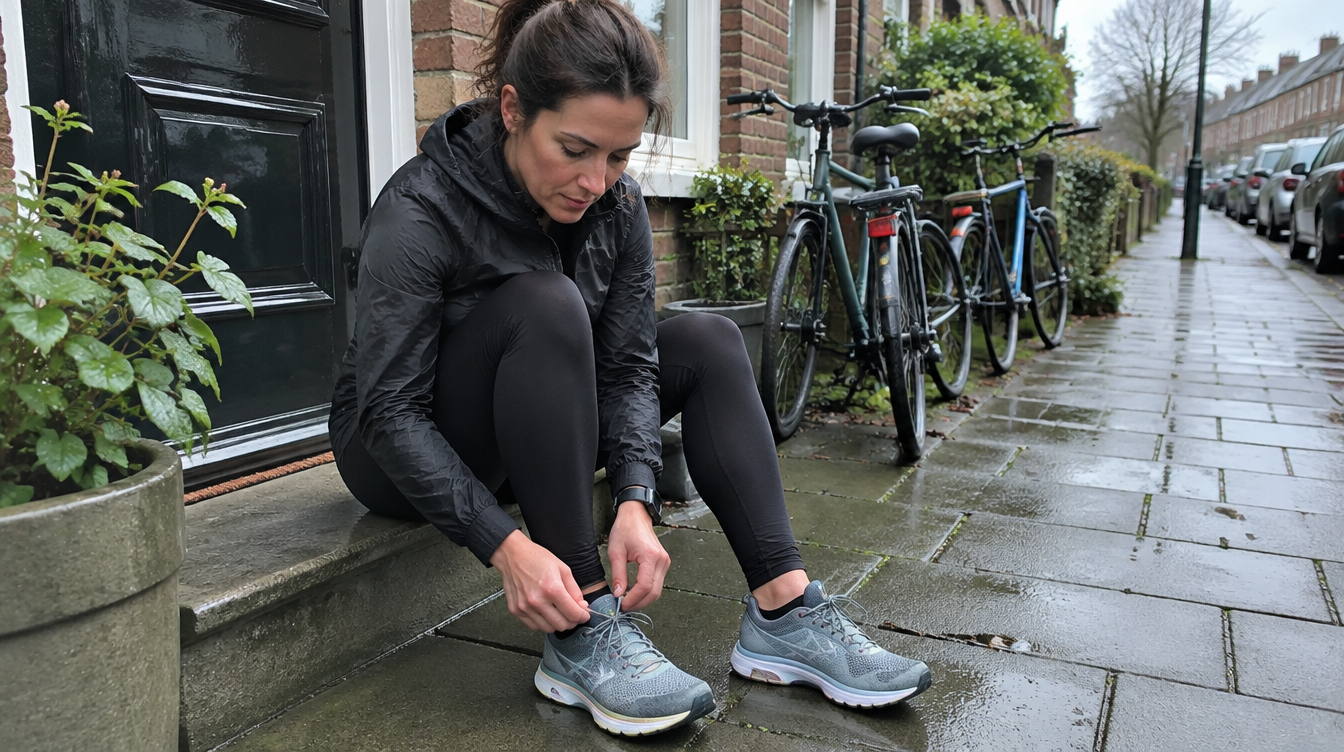
Pick an obstacle inside you, not outside. "The weather" is something you can't change. "I don't feel like going out when it's grey" is something you can plan for.
Ask yourself: What is it in me that stops me?
- Not "no time", but "I scroll my phone after dinner."
- Not "work is busy", but "I say yes to every late call."
- Not "it's hard", but "I wait until I feel ready."
What does a WOOP goal card look like?
Every step of WOOP has its own field on a PAPEPPE goal card.
- Wish → My goal: Run a 10k by autumn
- Outcome → Why: Feel strong, and clear my head
- Obstacle → What's in the way: Rainy evenings and long work days
- Plan → If it rains, I run on Thursday morning instead
Can I use WOOP for small goals too?
Yes. It works for a goal for the year and for tomorrow morning.
How often should I redo my WOOP?
Once a week is enough. Read the card. Did the plan work?
If not, change the plan, or pick a different obstacle. That's not failing. That's finding out what really gets in your way.
What does a full board of WOOP goals look like?
A few goals side by side, each with a picture, the why, the obstacle and the if-then plan. You see in one look where you stand, and what to do when it gets hard.
Your five-minute WOOP
Screenshot this. Do one tonight.
- Wish: what do I want? One line.
- Outcome: what's the best thing about it? Picture it.
- Obstacle: what in me will stop me?
- Plan: if __, then I will __.
- Put it where you'll see it tomorrow.
Pick one wish tonight and write its if-then plan.
Questions
What does WOOP stand for?
Wish, Outcome, Obstacle, Plan. You name what you want, the best thing about getting it, what inside you will get in the way, and an if-then plan for that moment.
Who created WOOP?
Psychologist Gabriele Oettingen, a professor at New York University. It combines her research on mental contrasting with Peter Gollwitzer's research on if-then plans.
Is WOOP backed by science?
Yes. Mental contrasting and if-then plans have both been tested in many studies. A review of 94 studies found if-then plans clearly help people reach goals.
What is a good WOOP obstacle?
Something inside you that you can plan for, like 'I scroll my phone after dinner', rather than something outside you, like the weather.
How often should I do WOOP?
Do it once for each goal, then read it again once a week. If the plan did not work, change the plan or pick a truer obstacle.
Sources
- WOOP — the official site by Gabriele Oettingen
- Oettingen, G., Pak, H., & Schnetter, K. (2001). Self-regulation of goal setting: Turning free fantasies about the future into binding goals. Journal of Personality and Social Psychology, 80(5), 736–753.
- Oettingen, G., & Mayer, D. (2002). The motivating function of thinking about the future: Expectations versus fantasies. Journal of Personality and Social Psychology, 83(5), 1198–1212.
- Gollwitzer, P. M., & Sheeran, P. (2006). Implementation intentions and goal achievement: A meta-analysis of effects and processes. Advances in Experimental Social Psychology, 38, 69–119.
- Duckworth, A. L., Kirby, T. A., Gollwitzer, A., & Oettingen, G. (2013). From fantasy to action: Mental contrasting with implementation intentions (MCII) improves academic performance in children. Social Psychological and Personality Science, 4(6), 745–753.
Try it on your own board.
No charge today. Cancel anytime.
Start 7 days free